
Selected work

What we’ve built

Three things we built in 2026: a self-service tool room for Makino, a voice AI that books medical appointments, and a model that spots faults in train sensor data. All three were built for competitions and hackathons, not for paying clients.

StoreFlow

A tool room locker that staff use themselves, built to run 24/7.
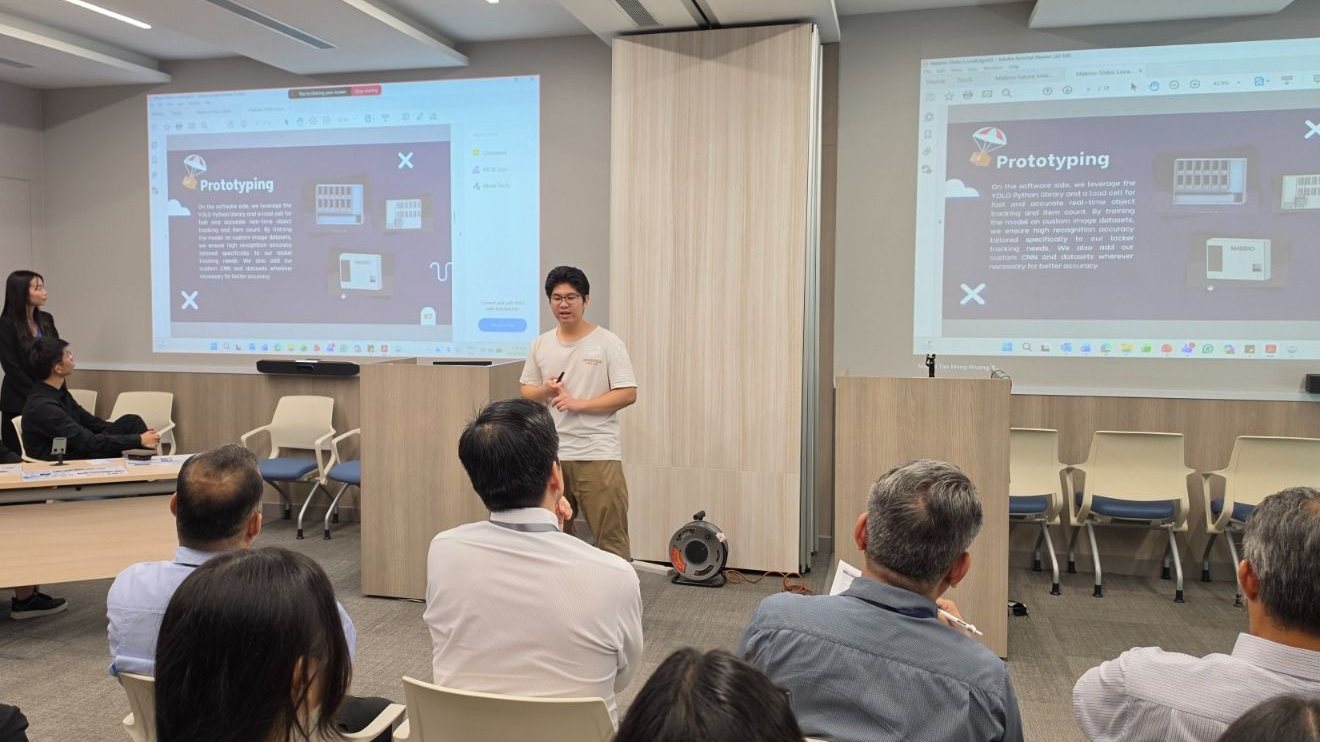
Presenting StoreFlow at the final.
Made for
Makino Future Makers Challenge
Year
2026
Outcome
Finalist
Built with
Raspberry Pi, YOLO, Custom CNN, Load cells, RFID, SQL

The problem

In Makino's tool room, a storekeeper hands out tools and consumables like gloves, batteries and lubricant. When the storekeeper goes home, the room closes, and counting and logging stock by hand takes hours. The challenge was to turn it into a lights-out, Industry 4.0 tool room.

What we built

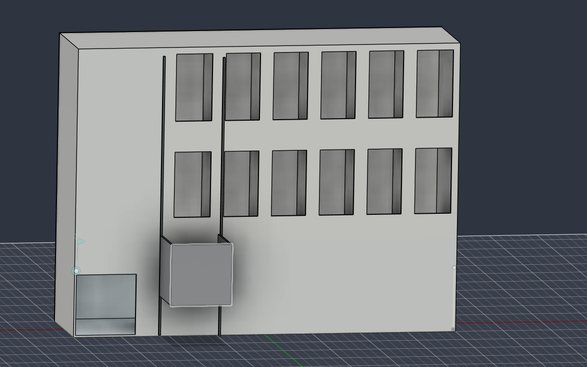
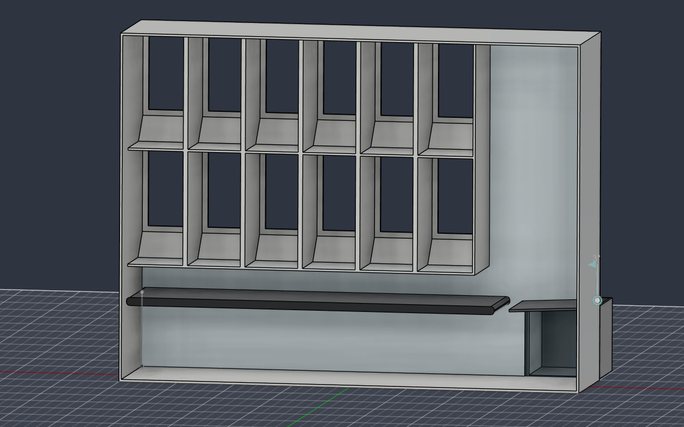
We built StoreFlow, a locker wall that staff use themselves. You tap your RFID card, pick what you need on the touchscreen, and the locker opens. A conveyor fills the lockers from the back, so nobody has to hand anything out. Inside each compartment, a camera runs YOLO and a CNN we trained ourselves, and a load cell weighs the item. Both have to match the dispense log on the Raspberry Pi, or it flags a theft, jam or miscount.
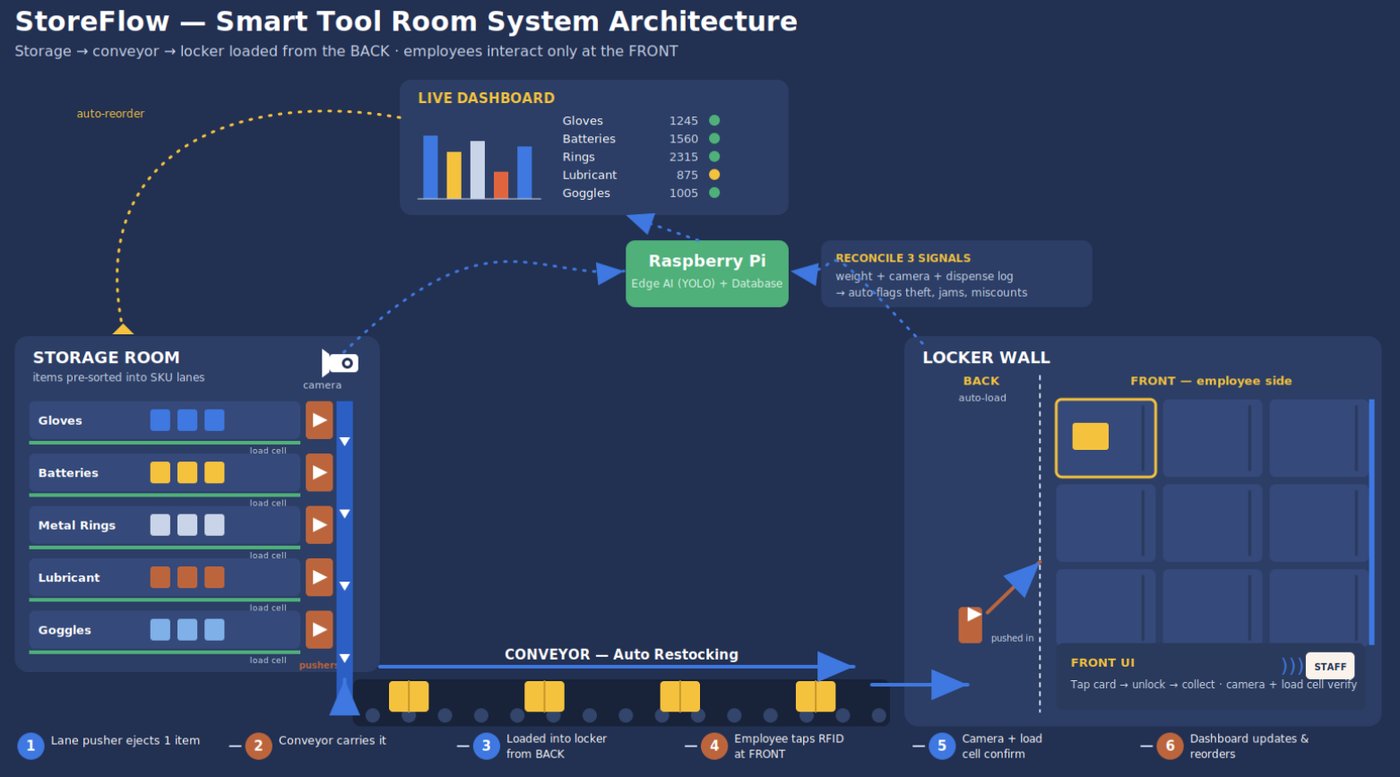
How it fits together: storage lanes, conveyor, locker wall and dashboard.

How it works

  1. A pusher drops one item out of its storage lane.
  2. The conveyor takes it to the locker wall.
  3. It goes into a locker from the back.
  4. The employee taps their RFID card at the front and the locker opens.
  5. The camera and the load cell check what was taken.
  6. Stock updates on the dashboard, and it reorders when stock runs low.

Results

SGD 318
in off-the-shelf parts for each prototype unit
  • The camera, weighing and counting worked live in front of the judges at the final.
  • Our cost estimates: about half the staff time spent on issuing and counting stock, around 95% stock accuracy, and the hardware paying for itself in under a month. Commercial vending lockers cost SGD 4,000 to 15,000. These are estimates, not measured results.
Shifa

A voice AI that books medical appointments and gets the details to the doctor first.

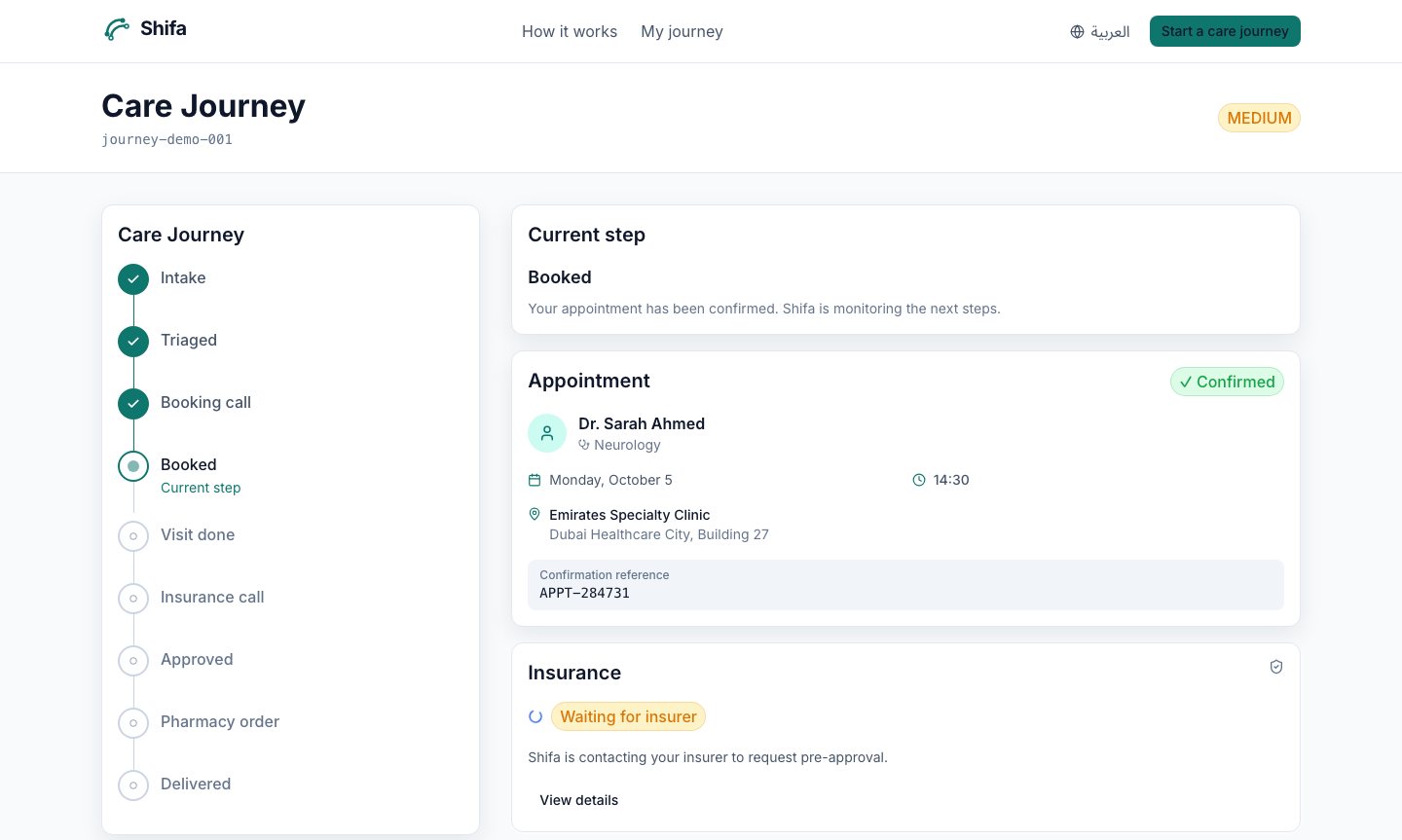
The patient's view, from symptom to booking (demo data).
Made for
AWS Agentic AI Hackathon, AWS Summit Dubai
Year
2026
Outcome
Working prototype
Built with
AWS Lambda, Bedrock AgentCore, Claude Sonnet 5, Claude Haiku 4.5, Bedrock Guardrails, DynamoDB, Twilio, Next.js
Code
GitHub

The problem

Booking a consultation means phone calls, forms and repeating your medical history, and the doctor often sees your details for the first time in the room. Symptom checkers that try to diagnose are risky, so we didn't build one.

What we built

Shifa is an agentic AI that patients can type or talk to. We used Twilio so it can speak on the phone, and it handles the booking: it asks the right questions, picks the right kind of doctor, and calls the clinic or insurer for you. While it talks, it drafts a record in the backend with symptoms, allergies and current medication and sends it to the hospital system, so the doctor can see it and decide sooner, including whether to prescribe. Shifa itself never diagnoses or prescribes. It works in Arabic and English, and we used the UAE's data protection law (PDPL) as a guide for what it stores.

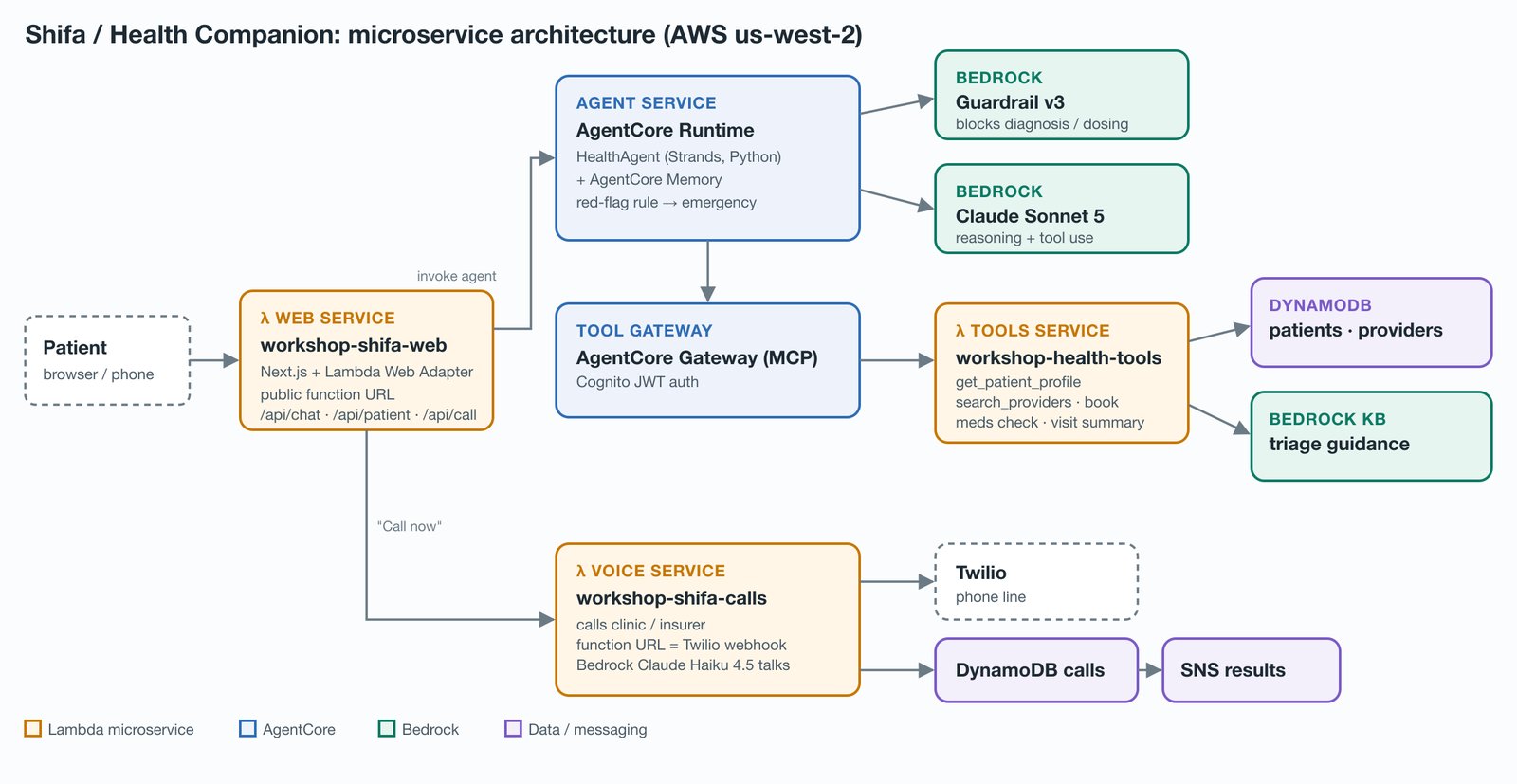
Everything runs serverless on AWS. Twilio is the only outside service.

Example: one patient, start to finish

  1. A patient says they've had a headache and blurry vision for three days.
  2. The guardrail checks the message first. It's a normal question, so it goes through.
  3. The agent reads the patient's record and the triage guidance.
  4. It says to see a doctor within 24 hours and offers to book a neurologist.
  5. The patient says yes. The voice agent calls the clinic and comes back with a time slot.
  6. The patient's details are already in the hospital system before they arrive.

If someone asks for a diagnosis or a dose, or tries to jailbreak it, the guardrail blocks the message before the model sees it. If the symptoms sound like an emergency, Shifa tells them to go to emergency care now and doesn't book anything.

Design choices

Guardrails
AWS guardrails block jailbreaks, misuse, and requests for diagnoses or doses. In testing they stopped 17 of 18 unsafe prompts before the model ran.
Voice
Twilio lets the agent make real phone calls to clinics and insurers, in Arabic or English.
Hosting
It runs on AWS Lambda, so it's pay as you go and costs nothing when nobody is using it.
Triage
How urgent something is comes from a triage knowledge base, not from the model's memory.
Security
The browser never holds cloud keys, and the model reaches its tools through one authenticated gateway (MCP).

Results

17/18
unsafe test prompts blocked by the guardrail before the model ran
  • The demo worked end to end, from a typed symptom to a booked appointment.
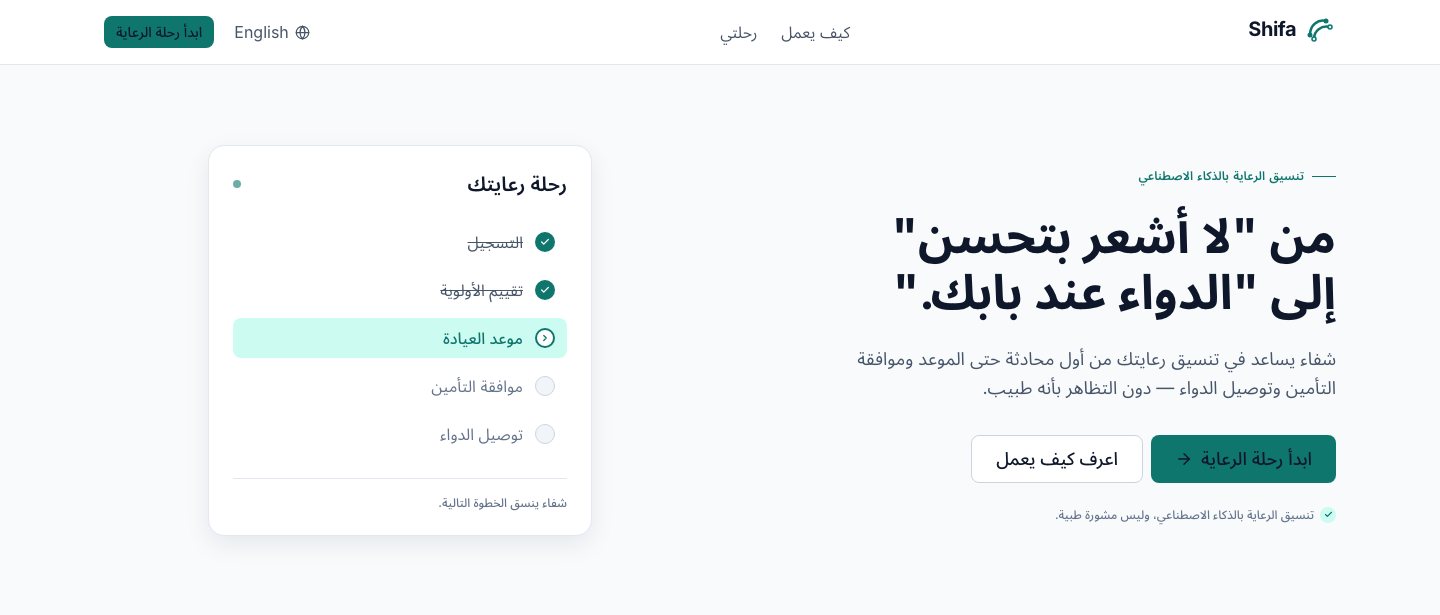
  • The whole app also works in Arabic, right to left.

Rail Anomaly Detection

Spotting faults in train door, bogie and air-con data with machine learning.

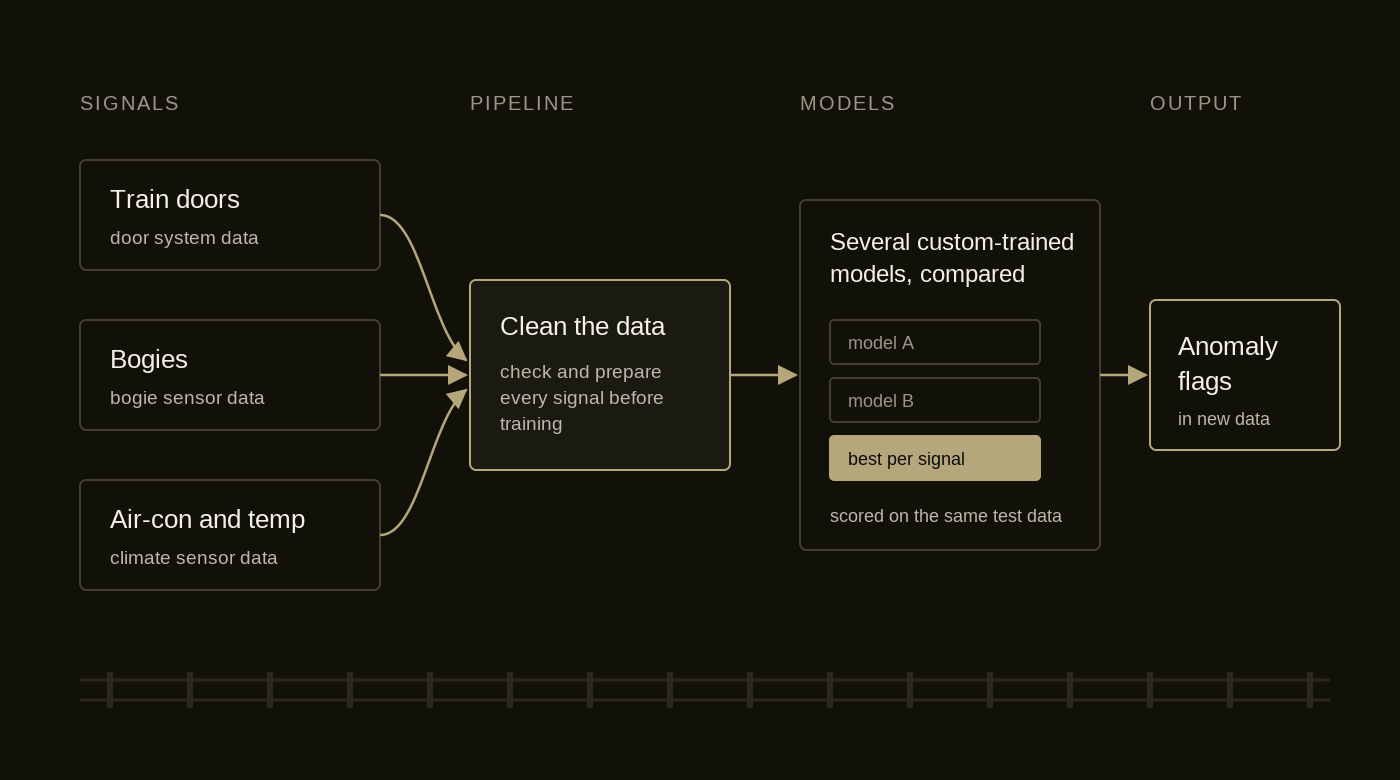
From train signals to anomaly flags.
Made for
Nebula-X Hackathon
Year
2026
Outcome
Working prototype, validated on a physical train model
Built with
Python, Custom ML models, Data cleaning pipeline, Scale model

The problem

Trains send a constant stream of sensor data from the doors, bogies and air-con. Faults often show up in that data first, but the signals are messy, and no single model works well for all of them.

What we built

We built a tool that cleans the signal data, runs it through several machine learning models we trained ourselves, and compares them to find which model is best at catching anomalies in each system. To show it could work, we also built a miniature train, track and prototype, and tested the system on them.

How it works

  1. Data comes in from the doors, bogies, and air-con and temperature sensors.
  2. Our pipeline cleans it before any model sees it.
  3. Several models we trained run on the same data.
  4. We compare the results and keep the best model for each type of signal.
  5. That model flags anomalies in new data.

Results

  • A working pipeline, from raw train data to flagged faults.
  • A physical train prototype with miniature track, used to validate the system.

Contact

Let's talk about your project.

Answer a few short questions about your project and we'll come to the first call already prepared.

  1. 01We read your brief and reply within one business day.
  2. 02A 30-minute call, in your language, at a time that suits you.
  3. 03A written plan with scope, timeline and cost.